2021 was a year of transition—I moved back to America after almost three years living in Korea, I threw myself into language study, and I tried to avoid feeling stagnant as I moved back in with my parents and worked from home.
I can remember most of my year from what books I was reading at the time. I moved to Seoul at the beginning of the year and dove into audiobooks as I transitioned to big city life. I re-read the entirety of the Percy Jackson and the Lightning Thief series and read the Lunar Chronicles for the first time, mostly while biking along the Han gang or walking aimlessly around the city. Whilst taking refuge from the late-summer rain somewhere near Washington Square Park, I led a book club discussion on The Memory Police from my phone. This year was a year full of buddy-reads, book clubs, book review competitions, and more. So! In no particular order, here are five of the best books I read this year.

Kim Jiyoung, Born 1982 by Cho Nam-Joo
This book was truly brilliant for its mundanity. Kim Jiyoung is a medical-like assessment on the sexism faced by modern women in Korea and reads like a non-fiction memoir. Truly, nothing spectacular happens to Kim Jiyoung, but her story resonates with many women in Korea and beyond.
This was the first book chosen by the Fulbright Lotus book club, and I read it in a single afternoon this spring. After I finished, I remember spouting a long-winded diatribe on spy-cams (몰카) to my friend because it’s a huge part of living in Korea as a woman or non-male and I felt so vindicated seeing the injustice on paper. This was the book that started my interest in Korean literature.
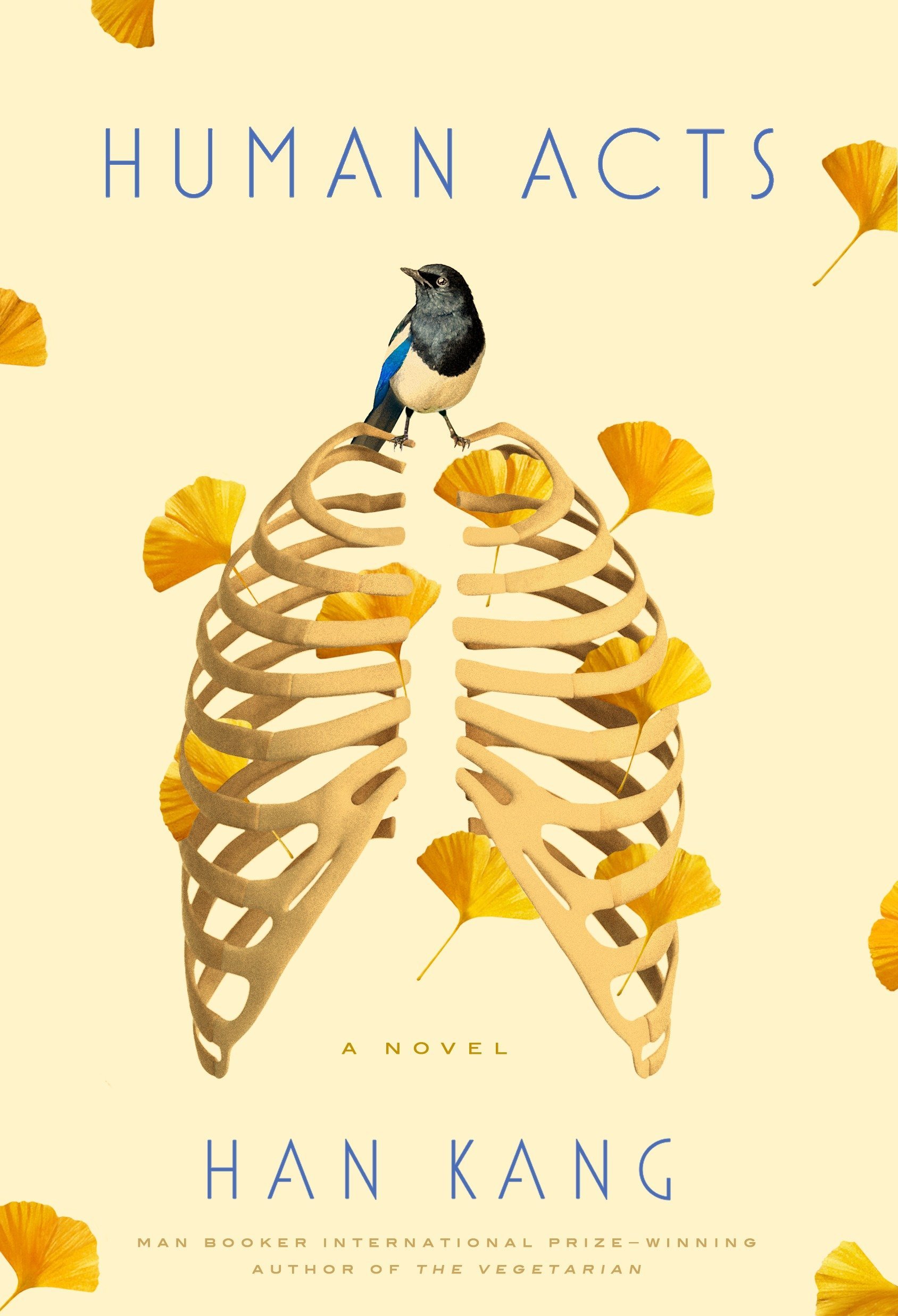
Human Acts by Han Kang
Human Acts is probably the best book I read in 2021. The story itself details the oppression of people by their own nation, and the lasting attempts to silence their stories. While I have some issues with the English translation, it’s still a beautifully rendered piece of literature.
This book completely changed how I look at Korea. I mentioned this in my review, but I lived in Gyeongsangbuk-do for most of my time in Korea and I hadn’t organically been exposed to the Gwangju Massacre and it’s place in modern Korean history. I recommend this book to anyone interested in provincial discrimination still present in Korea today.

A Little Life by Hanya Yanagihara
Alternative title: when privileged men refuse to seek therapy. While I have my problems with the characters ideologically—including, but not limited to, their insistence on self-torture both physically and emotionally—I finished this odyssey as a changed person.
This behemoth knocked me out for a few months after I finished it. Included within the personal lives of these four men are profound insights on the depths of human depravity, carving an identity in modern society, and on friendship and relationships with the passage of time. This book comes with so many trigger warnings, but it’s definitely worth the effort to make it through A Little Life.
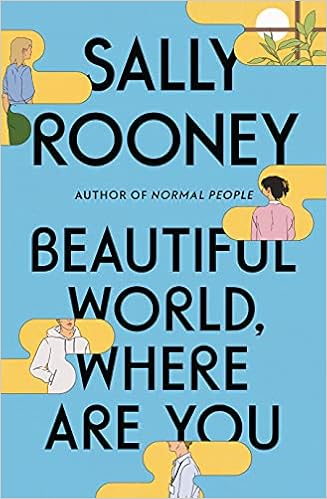
Beautiful World, Where Are You by Sally Rooney
Having the honor of being the best book I read by a white person this year, BWWAY is a book I think about all the time. I am one of those readers that vibes wholeheartedly with Sally Rooney for her simple plots, reflective writing, and complicated characters.
I had a complete existential crisis when reading about the idea that people hurt themselves by their own expectations of other people. The unrealistic expectations we place on our loved ones are premeditated resentments that will only drive us further into loneliness. I frequently bring up this book when my friends come to me with relationship troubles.
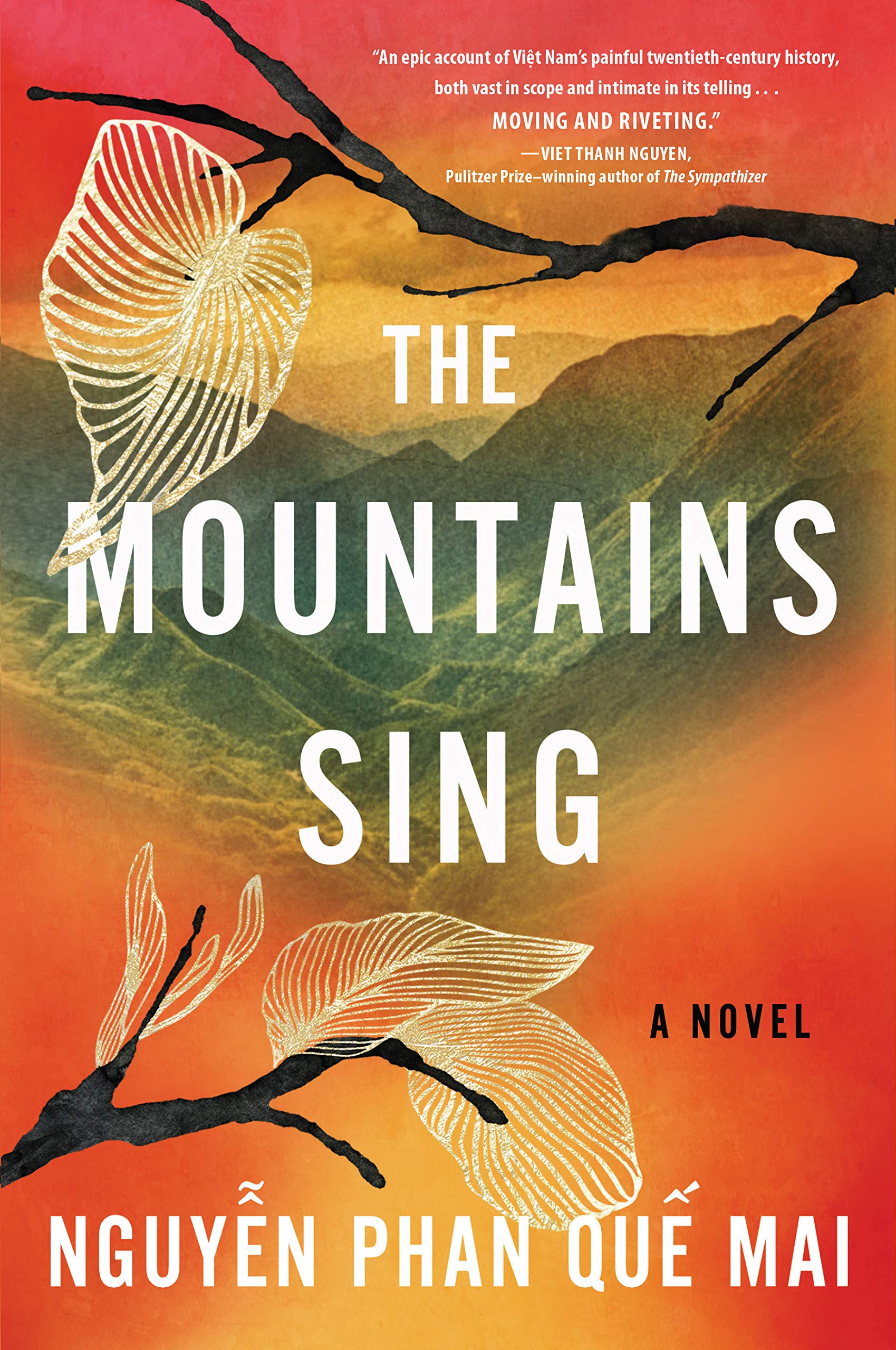
The Mountains Sing by Nguyễn Phan Quế Mai
As an adoptee from Việt Nam, there is a lot about my cultural heritage that I didn’t grow up learning. Luckily, The Mountains Sing covers many events from the last century that have tested the resiliency of Viet people. This story is a multi-generational tale of personal family separation and reunification juxtaposed with rich historical context.
I had the opportunity to sit in on a book discussion with Quế Mai as a part of the Subtle Asian Book Club in the spring. She really is a phenomenal woman, and I look forward to reading more of her work. This year, I am making a more concerted effort to read more Vietnamese books in hopes of connecting more with my birth culture.
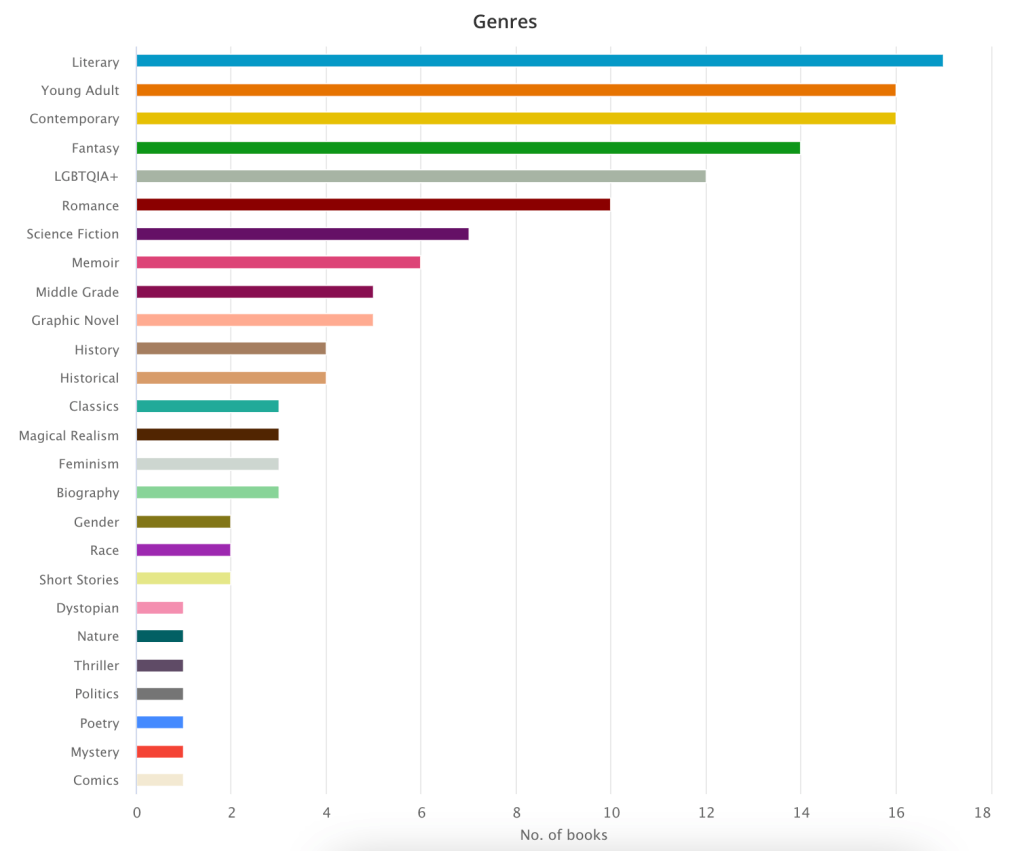
Like most people during the pandemic, I found myself with a lot of down time to read. In total, I read about 65 books, 27 of them by Asian or Asian American authors. Below are my reading statistics collected by The StoryGraph. (let’s be friends! add me at mailenguyen) I think the graph of moods really captures my reading trends, except “adventurous” seems a bit misplaced. I prefer slow-paced or medium-paced novels, but perhaps StoryGraph statistics will improve as the app develops.

Reading Goals for 2022
My goal is to read 60 books this year. I want to prioritize Asian and Asian American authors again this year, but I also want to read more books from other Asian countries outside of Japan and Korea. I recently picked up a book by Duanwad Pimwana, a Thai author, which I’m excited to dig into. I’m excited to see what 2022 has in store for us!
 Only Naengmyeon
Leave a comment